The integration of workforce automation is rapidly transforming traditional job roles across various industries. As companies adopt new technologies to enhance efficiency and productivity, the nature of work and job design is evolving. Understanding which sectors are at the forefront of this shift provides insight into the immediate and future impacts of automation on employment.
Manufacturing Leads the Way in Workforce Automation
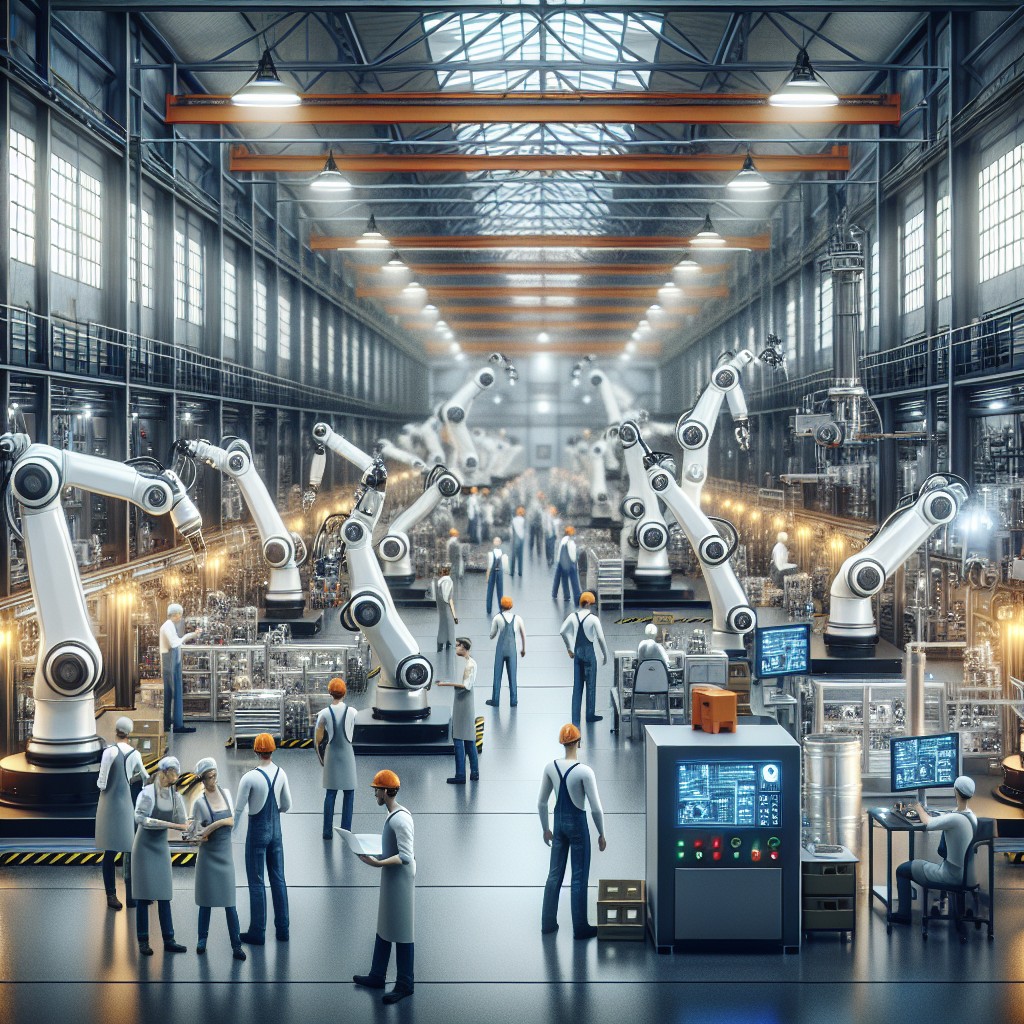
The manufacturing sector has long been a pioneer in incorporating automation technologies. Robotics and automated assembly lines are increasingly replacing repetitive manual tasks, redefining job roles and workers’ responsibilities. This transition has shifted focus towards operating and maintaining sophisticated machinery while emphasizing skills such as programming and quality control. The adoption of workforce automation in manufacturing has helped companies improve output consistency and reduce production costs.
The Financial Services Industry Embraces Automation for Process Efficiency
Financial institutions are investing heavily in automation tools to streamline processes and improve accuracy. Robotic process automation (RPA) is utilized to handle data entry, compliance checks, and transaction processing. These changes are reducing manual workload and enabling employees to concentrate on analytical and customer-facing tasks. This form of workforce automation is particularly prominent in banking, insurance, and investment management sectors.
Healthcare Adapts Job Roles in Response to Automation
Healthcare providers are integrating automation through electronic health records, diagnostic AI systems, and robotic-assisted surgeries. These technologies enhance service delivery but also change traditional job functions. Medical professionals now collaborate with advanced tools that assist in diagnosis and patient monitoring, promoting more data-driven decision-making. This reshaping of job design highlights an increasing reliance on technology to support clinical work and administrative tasks alike.
Retail Industry Transforms with Automated Customer Service and Inventory Management
Retailers have adopted automation in supply chain management, inventory tracking, and customer interactions through chatbots and self-checkout systems. These advancements modify frontline roles, transitioning them from routine task execution to overseeing automated processes and focusing on personalized customer experience. Workforce automation in retail is driving changes that balance operational efficiency with enhanced consumer engagement.
Transportation and Logistics See Operational Improvements through Automation
The transportation industry is experiencing significant impacts from automation, particularly with the deployment of autonomous vehicles and automated warehousing systems. Such innovations are altering job requirements for drivers and warehouse workers, emphasizing oversight and system management rather than manual operation. This evolution in job design improves safety and optimizes delivery networks while necessitating new skill sets.
Conclusion
Workforce automation is actively reshaping job design across multiple sectors, with manufacturing, financial services, healthcare, retail, and transportation leading the transformation. The integration of automated technologies is not only enhancing operational efficiency but also prompting a shift in employee roles towards more technical and analytical functions. As automation continues to evolve, industries must balance technological adoption with workforce development to ensure sustainable growth and employment adaptability.
Frequently Asked Questions about workforce automation
What is workforce automation?
Workforce automation refers to the use of technology and software to perform tasks traditionally done by human workers, thereby changing job roles and improving operational efficiency.
Which industries are affected most by workforce automation?
Industries such as manufacturing, financial services, healthcare, retail, and transportation are among the first to experience significant changes due to workforce automation.
How does workforce automation influence job design?
Workforce automation alters job design by shifting worker responsibilities from repetitive manual tasks to roles that require oversight, technical expertise, and decision-making.
Does workforce automation lead to job loss?
While workforce automation can reduce the need for some manual roles, it also creates new opportunities requiring different skill sets, thereby transforming rather than eliminating jobs.
What skills are important in an automated workforce?
Skills such as digital literacy, problem-solving, machine operation, programming, and data analysis become increasingly essential in the context of workforce automation.